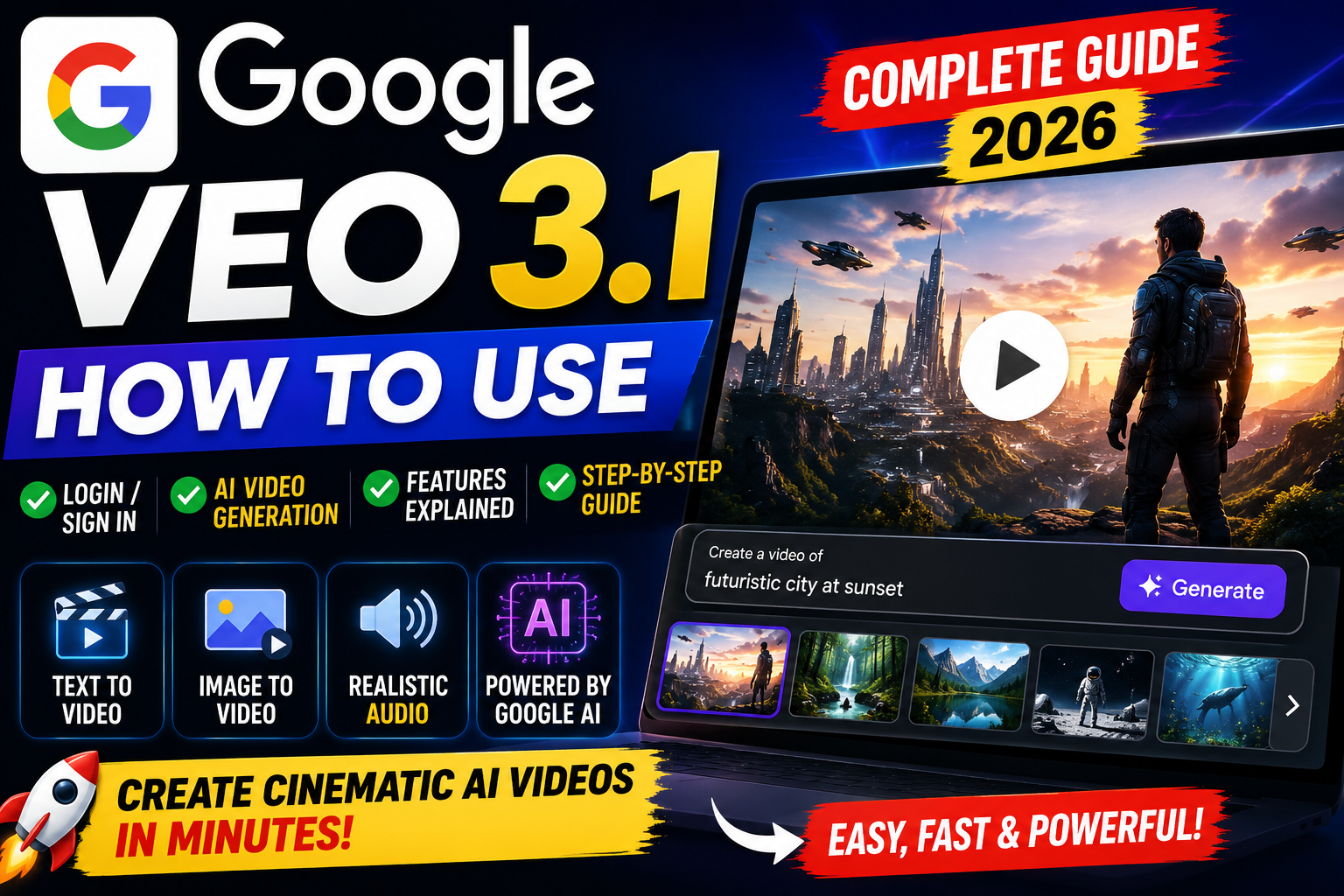
Imagine making professional videos just by talking about what you want. You don’t need expensive gear or years of editing to make great videos. Google Veo 3.1 turns your words into amazing scenes, making it easy for everyone to create.
Whether you’re building a brand or making short films, this comprehensive guide is your go-to. We made this Google Veo tutorial to help you get started. You’ll learn to use the latest AI tools to bring your ideas to life quickly.
We’ll show you the whole process. You’ll learn how to create your account, log in safely, and use cool features. We’ll also teach you how to add your own videos and work with your team to make things easier.
Key Takeaways
- Learn how to set up your account and log in to the platform.
- Discover how to turn simple text prompts into cinematic video scenes.
- Explore advanced features designed for professional-grade content creation.
- Master the process of uploading and editing your own media files.
- Understand how to invite team members for seamless project collaboration.
What is Google Veo 3.1?
Google Veo 3.1 is a key part of modern AI-driven video making. It’s a central spot in the Google Veo software world. It helps connect complex editing with your creative ideas.
This guide will give you a hands-on Google Veo tutorial. We aim to help you use these tools to make great content easily.

Overview of Google Veo 3.1
Google Veo 3.1 is a top-notch AI suite for all video needs. It fits right into your current work flow. This lets you automate boring tasks while keeping your creative control.
“The future of creativity lies in the partnership between human imagination and machine intelligence.”
This software offers a fast and precise interface. It’s more than just an editor. It’s a full-featured space for making professional videos.
Key Benefits of Using Google Veo 3.1
Exploring Veo 3.1 features shows how it boosts your work. It’s designed to save time and cut down on editing stress.
- Enhanced Efficiency: AI takes care of slow tasks like rendering and color correction.
- Seamless Integration: It works well with cloud tools to keep your projects tidy.
- Creative Flexibility: Try out new styles and effects easily, no tech skills needed.
- Collaborative Power: Many users can work on one project at once, making teams more productive.
In the end, Google Veo 3.1 lets you focus on your story. It removes tech hurdles, so your ideas shine in every project.
How to Create a Google Veo 3.1 Account
You’re just a few clicks away from using the latest AI video tech. First, you need to set up a secure profile to manage your projects. This Google Veo tutorial will help you get started smoothly.

Step-by-Step Account Registration
Start by going to the official website and finding the sign-up button. You’ll need to enter your email and create a strong, unique password to keep your account safe. Remember, you don’t need to download anything because the platform is cloud-based.
Here’s how to register:
- Enter your full name and professional email address in the fields.
- Choose a password that’s complex, with letters, numbers, and symbols.
- Read the terms of service and privacy policy before submitting.
- Wait for the system to create your workspace.
Verifying Your Email Address
After you submit your details, you’ll get a confirmation link in your email. Verifying your email address is key to using all Google Veo 3.1 features. If you don’t see the email, check your spam folder.
Click the link in the email to activate your account. After verification, you’ll get to the dashboard. Here, you can explore Google Veo 3.1 and start your projects. Keeping your account verified keeps your projects safe and ensures you get updates.
Logging Into Google Veo 3.1
Logging into Google Veo 3.1 is easy after you register. This Veo 3.1 user guide helps you get to your dashboard fast. This way, you can start your creative projects right away.
Accessing the Login Page
First, go to the Google Veo 3.1 portal with your browser. Look for the “Sign In” button in the top right corner.
Then, type in your email and password from your registration. After you enter them, you’ll get into your workspace.

Troubleshooting Login Issues
Even with a simple setup, you might run into small problems. If you can’t log in, here are some practical troubleshooting steps to help:
- Verify your credentials: Make sure your caps lock is off and your email is correct.
- Clear browser data: Old cache or cookies might block login; try clearing your history or using incognito mode.
- Check verification status: If your account is new, make sure you clicked the confirmation email link.
- Reset your password: If you forgot your password, use the “Forgot Password” link to get a recovery email.
By following this Veo 3.1 user guide, you can usually fix common login issues. If you’re stuck, contact the official support team for help with your Google Veo 3.1 account.
Navigating the Google Veo 3.1 Interface
Getting to know your new workspace is key to making great videos. When you log in, you see a clean, organized space. It’s designed to help you focus on your work.
Every tool you need is easy to find. This makes your creative process smoother.
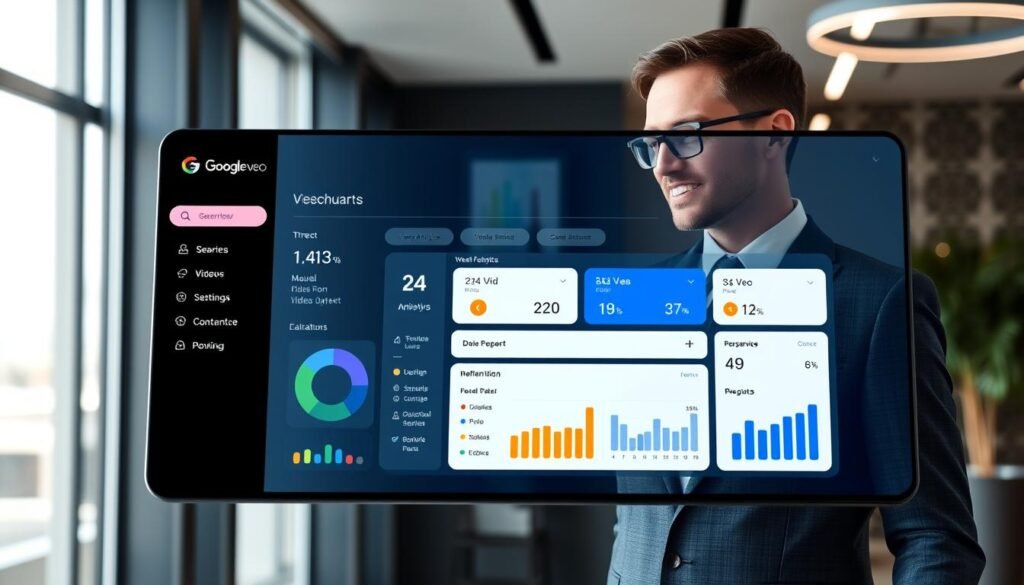
Dashboard Overview
The main dashboard is your central hub for projects. You can organize your work, access drafts, and manage settings from here. It’s all about keeping your workflow smooth and distraction-free.
Efficiency is at the heart of the design. You can switch tasks quickly. The dashboard shows your progress clearly, helping you stay on track.
Assets are organized for easy access. This makes your work faster and more efficient.
Key Features at a Glance
Get to know the main control panels to navigate Google Veo 3.1 confidently. These tools are in the sidebar for quick access. Knowing these features will make your work faster.
The interface has a section for collaboration tools. You can invite team members and share feedback instantly. Advanced creation controls let you fine-tune visuals with precision.
The interface is easy for everyone to use. Just hover over icons to see tooltips explaining each function. This will help you learn Google Veo 3.1 quickly.
Exploring Google Veo 3.1 Features
Before starting your next project, it’s key to check the Veo 3.1 specifications. Knowing these technical details helps match your workflow with the software’s capabilities. This way, you can avoid delays during production.

Video Creation Tools
The platform offers powerful tools for complex visual tasks. These tools help keep your project quality high and on schedule. Key features include:
- Dynamic Scene Generation: Build environments fast with text prompts.
- Custom Aspect Ratio Controls: Adjust frames for social media or movies.
- High-Fidelity Rendering: Ensure your output meets professional standards.
Collaboration Capabilities
Teamwork is key in the Google Veo 3.1 experience. Invite colleagues for feedback or timeline adjustments. This shared space supports multiple users without file issues.
Seamless communication in the interface cuts down on external messaging. Assign roles to control editing, review, or export. This keeps teams organized in big video projects.
AI-Powered Editing Options
Google Veo 3.1 uses AI to cut down manual work time. This lets you focus on your creative vision. Explore the Veo 3.1 features to see how these tools can improve your workflow:
- Smart Object Tracking: Automatically tracks subjects in complex scenes.
- Automated Color Grading: Keeps visual styles consistent across clips.
- Intelligent Audio Syncing: Aligns sound with visuals instantly.
Using these AI tools maximizes your Veo 3.1 specifications for quality results. Always match your project needs with these capabilities for the best output.
How to Upload Videos on Google Veo 3.1
Getting your files ready right is key to keeping your vision clear during upload. Before starting, knowing the technical needs helps avoid mistakes or quality drops. This Google Veo tutorial will guide you to prepare your projects for AI editing smoothly.
Supported Video Formats
Knowing the Veo 3.1 specifications is the first step to avoid file rejections or quality loss. The platform is best for high-definition videos. So, make sure your files are in the right format for a smooth upload.
MP4, MOV, and AVI are all supported. But, H.264 or HEVC codecs give the best results. If you need a Google Veo download, your computer must meet the minimum specs for high-quality exports.

Step-by-Step Upload Process
With your files prepared, uploading to Google Veo 3.1 is easy. Just follow these steps to get your media ready for editing:
- Log into your account and go to the main dashboard.
- Click the “Upload” button in the top right corner.
- Pick your video files from your computer or drag them into the browser.
- Wait for the progress bar to finish, showing your files are uploaded to Google Veo 3.1.
- Check the confirmation message to see if the upload was a success and your file is ready.
Once uploaded, the system will analyze your footage. This Google Veo 3.1 feature lets you edit right after analysis. If problems arise, check your internet or file size against your account limits.
Using Google Veo 3.1 for Team Collaboration
Google Veo 3.1 has features to keep your team in sync. It centralizes assets and communication. This keeps everyone on the same page with the project vision.
Following the Veo 3.1 user guide helps you keep things organized. This way, creativity flows without getting bogged down by admin tasks.

Inviting Team Members
Adding team members is easy. Just go to the project settings and choose to share access. Enter their email to send them an invitation.
After they accept, they can access the project files you’ve set. This seamless integration means everyone works on the latest version. Make sure your team members have accounts before assigning tasks.
Managing Roles and Permissions
It’s important to control who can do what in your video projects. In Google Veo 3.1, you can assign roles. This keeps important files safe while letting everyone work efficiently.
Here are the roles you can use to organize your team:
- Administrator: Has full control over settings, user management, and exports.
- Editor: Can change video timelines, add effects, and manage media.
- Reviewer: Can view drafts and give feedback without changing files.
- Viewer: Can only read and see progress without making changes.
Before starting, check the Veo 3.1 user guide to set permissions. This keeps your work safe and makes sure Google Veo 3.1 is a secure place for your team. Proper roles are key to a smooth editing process.
Tips for Optimizing Video Quality
To get professional results, you need to know how to tweak your output. Focus on technical details to meet high standards. Always check your project needs against the Veo 3.1 specifications before starting.
Recommended Video Settings
For the best quality, set your project settings based on where you’ll share it. A Google Veo tutorial can guide you through these choices. Here are key settings to consider:
- Resolution: Choose 4K for movies or 1080p for web videos.
- Frame Rate: Pick 24fps for a movie feel or 60fps for smooth action.
- Aspect Ratio: Match your frame to your device, like 16:9 for widescreen or 9:16 for mobile.
- Compression: Opt for high-bitrate codecs to reduce playback issues.
Enhancing Audio and Visuals
Quality isn’t just about visuals with Google Veo 3.1. Audio must be clear to keep viewers interested. Make sure dialogue is sharp and background sounds are balanced.
Lighting is key for visual consistency in your clips. Adjust settings for a uniform look that connects your scenes. Following these tips will help you make the most of Google Veo 3.1 and create top-notch content.
Integrating Google Veo 3.1 with Other Tools
Connecting your creative tools to Google Veo 3.1 makes your work more efficient. It links your software stack, making your creative process smoother. This means you spend less time moving files and more time creating.
Compatible Software and Applications
The Google Veo software works well with top editing suites and cloud storage. You can export projects into popular editors for final touches. This feature is a big hit among professionals.
Before starting, check if your tools are compatible. Look at cloud storage, editing suites, and production apps. This ensures a smooth experience.
- Cloud Storage: Make sure your service supports API syncing.
- Editing Suites: Update your plugins for the latest version.
- Production Apps: See if your project management software imports metadata.
“True innovation in video production happens when your tools communicate without friction, allowing the creator to focus entirely on the story.”
API Integration Options
For developers and advanced users, there’s robust API access. You can automate complex workflows with custom scripts. Always check the official documentation for the latest info.
When integrating, remember a few key points:
- Documentation: Review the latest guides for API changes.
- Account Access: Make sure your API keys are secure.
- Installation: Use official Google Veo download links to avoid security issues.
Stay updated on Google Veo 3.1 to stay ahead. Regularly check the official portal for updates. This keeps your integrations stable and secure.
Common Issues and Solutions
Dealing with technical problems is part of using any video production software. Google Veo 3.1 aims for smooth use, but you might hit some bumps. Knowing how to solve these issues quickly is key.
First, figure out where the problem lies. Is it your browser, internet, or the file itself? Knowing this can save a lot of time.
Frequently Encountered Problems
Many users face issues with browser cache or old login details. If you can’t log in, try clearing your browser data. Or use an incognito window to see if the problem stays.
Upload problems and slow processing often come from big files or wrong formats. Always check the Veo 3.1 user guide before uploading. This ensures your files are okay for the platform.
Quality issues might be due to wrong export settings or a shaky internet. For team problems, make sure everyone has the right access.
Customer Support Resources
If you can’t fix it yourself, it’s time to contact support. Go to your dashboard to find the help center and submit a ticket.
While Veo 3.1 reviews are useful, they’re not a substitute for official help. Forums are great for tips, but for specific issues, go to official support.
Following the right steps ensures your issue gets solved fast. Google Veo 3.1 support is ready for tough questions, not just simple ones.
Future Developments in Google Veo 3.1
By now, you’ve learned how to set up your account and optimize videos. You know how to manage your team and solve technical problems. This knowledge is key to your success.
Upcoming Features and Updates
Google is always adding new things to AI video creation. Keep an eye on official updates to use the latest tools. This way, you avoid confusion about what’s available now versus what’s coming.
Community Feedback and Input
What users say helps shape the software. Reading reviews of Veo 3.1 shows how others tackle editing challenges. Your feedback makes the platform better for everyone.
Always have this guide ready as you explore new ideas. Staying up-to-date with announcements lets you adjust your plans easily. Embrace these updates to stay ahead in digital media.