Imagine creating professional music, sound effects, or unique soundscapes by typing a description. You no longer need expensive studio equipment or years of production experience to bring your creative vision to life. Modern technology now makes high-quality sound generation available to everyone.
This is where Stable Audio AI changes the game for content creators. Whether you need video background tracks or want to explore new melodies, this platform makes the process simple.
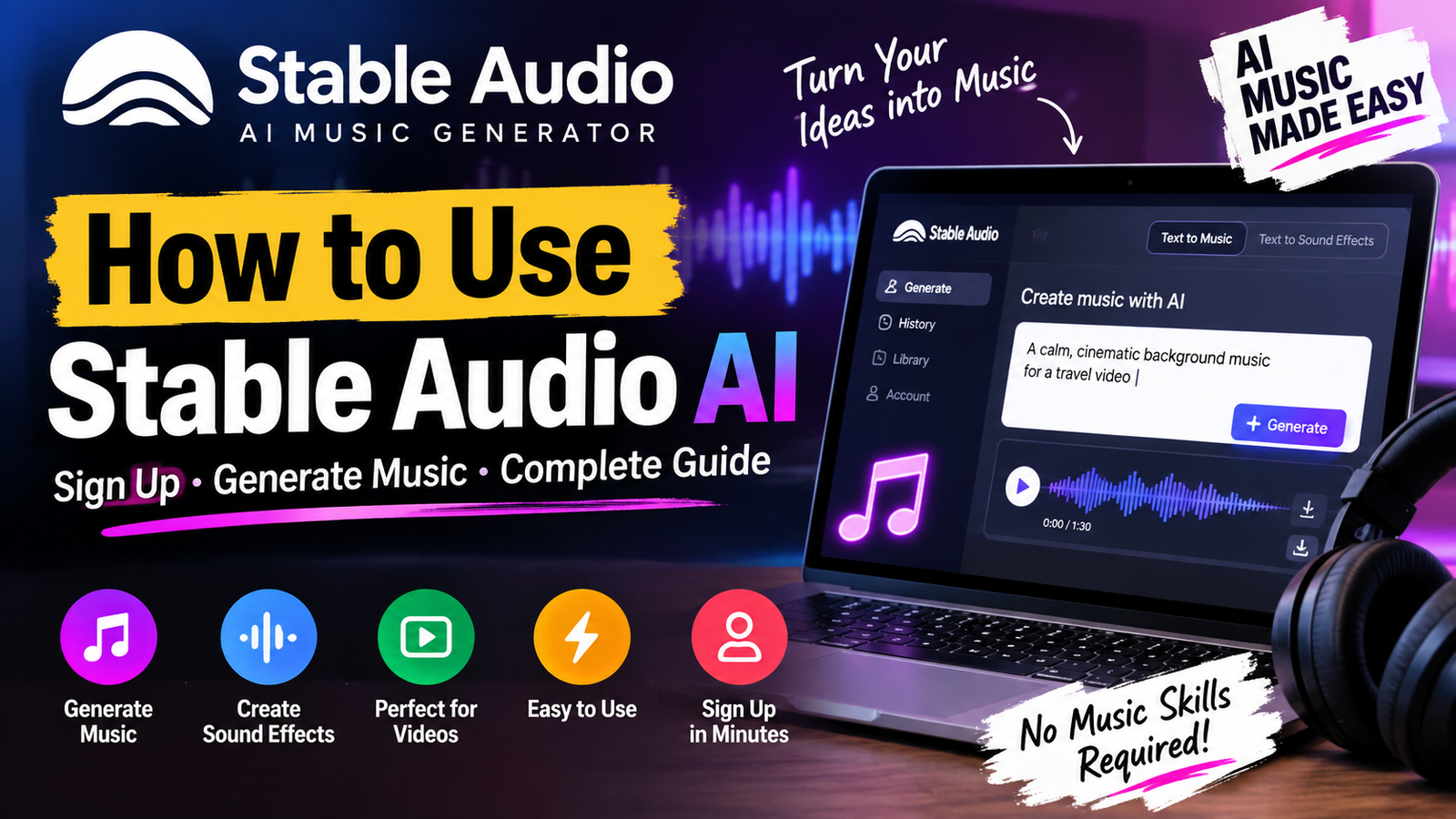
In this stable audio tutorial, we explain the essential steps for getting started. You will learn to create an account, use the interface, and write prompts for your first track.
We provide a clear, beginner-friendly workflow for your projects. By the end, you will know how to use stable audio to produce professional results with ease.
Key Takeaways
- Learn the quick registration process to access the platform.
- Master the art of writing descriptive text prompts for better results.
- Understand how to adjust settings to refine your generated tracks.
- Explore creative use cases for music and sound effect production.
- Follow a step-by-step workflow designed for beginners in the United States.
What Is Stable Audio AI?
If you have wondered how to turn text into professional-grade audio, Stable Audio AI offers an answer. This platform helps creators make high-quality music and sound effects with simple text prompts. Beginners can follow a stable audio ai tutorial, while seasoned producers can streamline their creative workflow.
At its core, the platform uses advanced generative models to read descriptions and create unique audio files. Unlike traditional recording or composition, it needs no expensive studio equipment or years of musical training. You can produce complex soundscapes in seconds, linking your imagination to the final audio through artificial intelligence.
You may wonder about this technology’s underlying mechanics. Understanding how does stable audio work helps you get better results from your prompts. The system reads your text for style, mood, and instrumentation, then creates audio that fits your requirements.
By moving beyond manual recording, you can explore genres and textures that may be hard to capture. This innovative approach lets you focus on your creative vision while the software handles technical work. Learning how does stable audio work will empower you to push your next project further.
How Does Stable Audio Work?
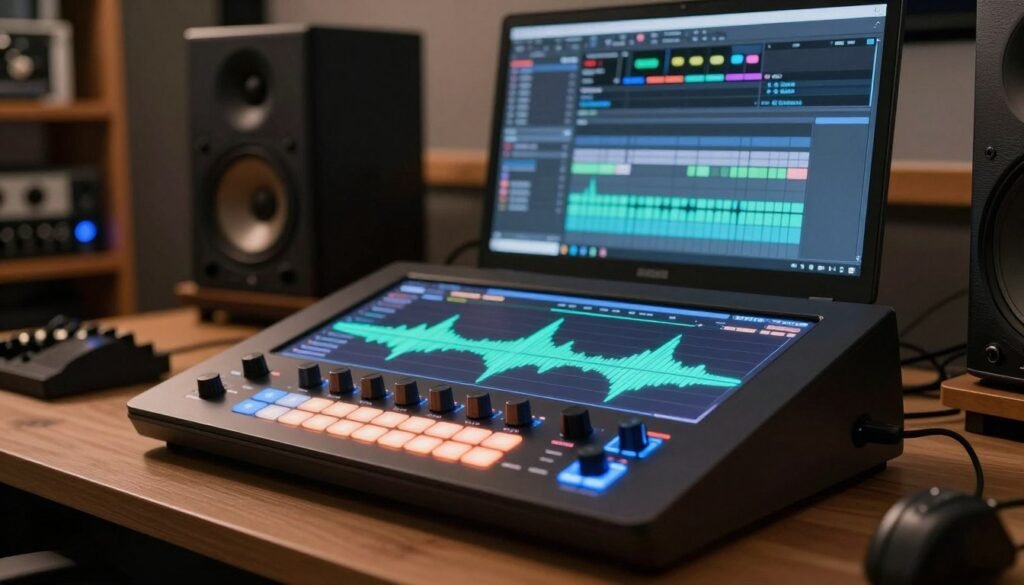
The power behind the stable audio music generator comes from how it understands complex human language. When you write a descriptive prompt, the system studies your request and identifies the musical elements you want. It turns your words into structured audio that fits your creative vision.
This process streamlines production, so you can test ideas quickly. Using advanced stable audio features, the platform combines parts into a cohesive track from scratch. You can guide the result by naming key settings in your request:
- Genre and Style: Define the musical category, such as lo-fi, jazz, or cinematic orchestral.
- Instrumentation: Mention specific instruments like synthesizers, acoustic guitars, or percussion.
- Mood and Atmosphere: Describe the emotional tone, such as upbeat, melancholic, or tense.
- Tempo and Duration: Set the speed of the track and the exact length you need for your project.
Once you submit your prompt, the engine processes these details and creates a unique audio piece. This innovative approach lets you test sounds without deep knowledge of music production software. Whether you build a background track or complex soundscape, the system offers a reliable creative foundation.
By using clear descriptions, you let the stable audio music generator act as a collaborative partner in your studio. You refine prompts to change the output until it matches your goals. This intuitive workflow gives you more time for artistic expression and less time on technical setup.
Key Features of Stable Audio
Stable Audio offers powerful tools that can transform your creative workflow. Its advanced machine learning helps you create high-quality audio assets with little effort. These flexible features support professional producers and hobbyists as they bring their sonic ideas to life.
Text-to-Audio Music Generation
The platform serves as a capable stable audio ai music generator. Describe your desired mood, genre, or instruments, and it creates a unique track from scratch. This feature helps creators make royalty-free music for a specific story or visual theme.
AI-Generated Sound Effects
The tool also creates precise sound effects, not just full musical compositions. You can generate ambient nature sounds, futuristic mechanical noises, and more. This versatility supports game developers and video editors who need custom audio for their projects.
Audio Style and Duration Controls
Customization lets you set your output’s exact length and tone. You control its structure so the final audio meets your project requirements. Key settings include:
- Duration adjustment: Set the exact length of your clip to match your video timeline.
- Style parameters: Define the tempo, mood, and instrumentation to refine the output.
- Consistency tools: Maintain a cohesive sound profile across multiple generated files.
Prompt-Based Audio Creation
Your input strongly affects the output, so a well-crafted stable audio prompt guides the AI toward the aesthetic you envision. Descriptive keywords and clear instructions can produce professional-grade results that sound natural and polished. Mastering this process unlocks the full potential of the stable audio text to music capabilities at your fingertips.
How to Sign Up for Stable Audio
Learning how to sign up for stable audio is the first step toward professional-grade sound generation. Before you can create unique tracks or sound effects, you must set up your personal account on the platform. This keeps your generated files secure and available for future projects.
Create a Stable Audio Account
To begin, visit the official website and find the registration button. Provide a valid email address and create a secure password for your workspace. After submitting your details, check your inbox for a verification link to activate your account.
Sign In to Stable Audio
After verification, you can complete a stable audio login by returning to the main site. Enter your credentials on the login page to open your dashboard. If you have trouble, check that your browser allows cookies, which often keep your session active.
Knowing how to sign up and login to stable audio helps you avoid common technical hurdles. If you forget your password, use the “Forgot Password” link to request a reset email. Keep your login information updated so you do not lose access to your creative library.
Choose the Right Plan
After logging in, review the available subscription tiers and match one to your production needs. The right plan can increase your output while keeping costs within your budget. Consider these factors when choosing your access level:
- Free Plan: Ideal for hobbyists who want to test the basic features and generate short audio clips.
- Pro Plan: Best for content creators who require higher quality, longer durations, and commercial usage rights.
- Enterprise Plan: Designed for businesses needing custom solutions and priority support for large-scale projects.
Review each tier’s specific limits before making your choice. You can upgrade your plan at any time through account settings if your creative needs grow.
How to Use Stable Audio Step by Step
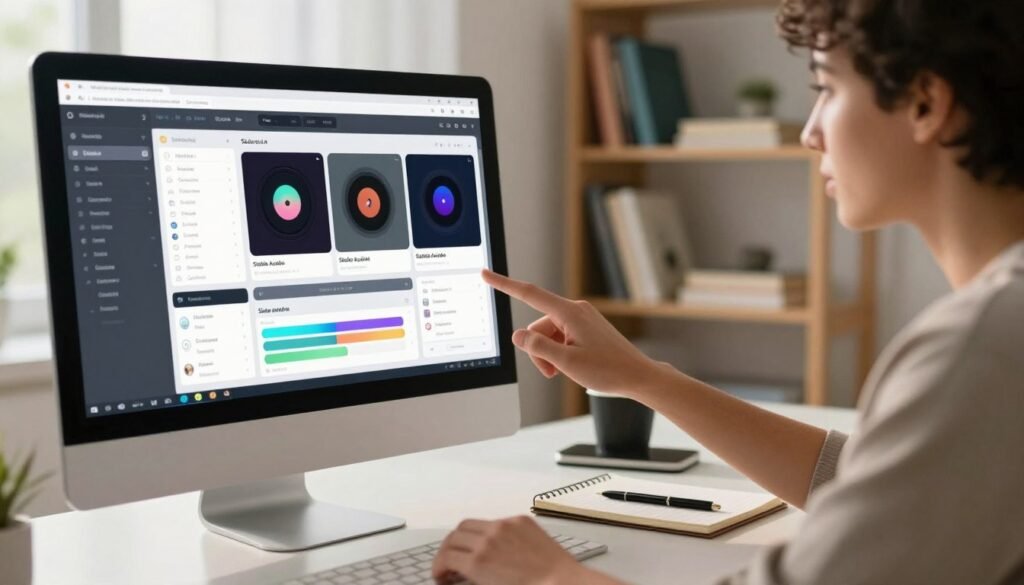
Learning how to use stable audio ai step by step is the fastest way to create professional-grade music from scratch. A structured workflow helps your creative vision become high-quality sound files.
Step 1: Open Stable Audio
Open the official website in your preferred web browser. After the landing page loads, log into your account for full access to generation tools. The clean, intuitive dashboard gives you a clear place to begin.
Step 2: Enter Your Music Prompt
Your text description guides the entire experience. When you learn how to generate music with stable audio, descriptive, specific prompts yield the best results. Enter your genre, mood, and instruments in the main input field.
Step 3: Adjust the Generation Settings
Before clicking the button, review the available controls. You can usually set your track’s duration and choose model versions, if available. Fine-tuning these parameters helps ensure the output matches your project requirements, from short sound effects to longer musical compositions.
Step 4: Generate Your Audio
After locking your settings, click the generate button to start. The system processes your request and provides an audio preview. You can easily iterate by tweaking your prompt or settings as you learn how to generate music using stable audio ai more effectively.
How to Write Effective Stable Audio Prompts
Learning how to write prompts for stable audio is a valuable skill for any digital creator. By mastering AI language, you can turn simple text into complex soundscapes that match your creative vision.
This stable audio ai complete guide for beginners covers the key elements of a successful prompt. Clear, logical instructions help the model deliver more accurate results.
Best Prompt Structure
A high-quality prompt follows a clear structure, helping the AI understand your intent. Start by defining the genre and style, such as “lo-fi hip hop” or “cinematic orchestral.”
Next, describe the instrumentation and pacing. Mention instruments like “acoustic guitar” or “synthesizer,” and define the tempo with terms like “upbeat” or “slow and melancholic.”
Finally, add details about the atmosphere and intended use. Include terms like “ethereal,” “tense,” or “background music for a documentary” to guide the final output.
Prompt Examples for Different Music Styles
To see this in practice, consider these examples of text to music ai generation. Each prompt creates a distinct emotional response and sonic texture.
- Upbeat Pop: “Upbeat pop song, bright synthesizers, driving drum beat, 120 BPM, energetic and happy, radio-ready production.”
- Ambient Soundscape: “Ethereal ambient soundscape, soft piano chords, deep reverb, slow tempo, calm and meditative atmosphere, cinematic quality.”
- Dark Cinematic: “Tense cinematic orchestral track, low brass stabs, fast string ostinato, minor key, suspenseful and dramatic, high-stakes action.”
Common Prompt Mistakes to Avoid
One common mistake is being too vague. If you only type “sad music,” the AI has too much freedom, often producing generic or unpredictable results.
Avoid overloading your prompt with too many conflicting instructions. Asking for “fast-paced jazz” and “slow ambient meditation” simultaneously will confuse the model and produce muddy, incoherent sound.
Finally, avoid contradictory terms that cancel each other out. Keep your instructions focused and concise so the AI can interpret your creative direction effectively.
Stable Audio Pricing and Plans

Knowing AI music costs helps you plan your creative work. Review the current stable audio pricing before creating tracks, and choose a plan that fits your project.
Free Plan
The stable audio free tier lets users explore the platform without an upfront cost. It usually lets you test the software’s core generation tools.
This entry-level option often limits monthly generations. It offers a simple way to test the technology before choosing advanced tools.
Paid Plans
As your creative needs grow, a paid subscription gives you stronger features. These plans suit professionals who need higher limits and more control.
Paid tiers often include commercial usage rights for professional audio projects. Check the official website to find the tier that matches your business goals.
Stable Audio Free vs Paid
Comparing both options helps you decide whether an upgrade is worth the cost. The stable audio free version suits hobbyists, while paid versions help power users.
- Generation Limits: Paid plans offer a higher monthly quota for audio creation.
- Commercial Rights: Most paid tiers grant you the legal permission to use tracks for commercial purposes.
- Advanced Features: Higher tiers may unlock faster processing times and better audio quality settings.
Because stable audio ai features and pricing may change, visit the official pricing page before buying. This gives you current details about subscription benefits and limits.
Pros and Cons of Stable Audio
When exploring AI music generation, it helps to understand each tool’s strengths and weaknesses. Each platform has features that may speed up or slow down your creative work. This stable audio review helps you decide whether the tool fits your project needs.
Pros
This platform is remarkably easy to use. You do not need sound engineering experience to make high-quality audio clips. Its intuitive interface turns simple text descriptions into complex musical compositions within seconds.
Another benefit is its creative flexibility. You can create background tracks for a video or unique sound effects for a game. The system supports many genres and styles, making it useful for creators testing new sounds without hours in a traditional studio.
Cons
Despite its impressive technology, the platform has limits. Users may find prompt control tricky because AI does not always understand specific musical nuances as intended. Perfect output may require several attempts and carefully refined phrasing.
Also, access limitations and consistency issues matter because complex models can produce different results between generations. ai music generation is a powerful assistant, not a replacement for human artistic intent. Test the platform against your creative goals.
Who Should Use Stable Audio?
Who should use Stable Audio depends on your project goals and technical needs. It suits people who value speed and creative exploration more than manual composition.
Video creators and podcasters often need background tracks that match their content’s mood. Many professionals see this tool as the best ai music generator for fast prototypes. It creates unique soundscapes for your story, avoids hours in a studio, and saves significant editing time.
Musicians and hobbyists often use this technology to beat creative blocks. Simple text prompts let you test new genres or complex arrangements. It works well as a ai music generator for ideas, but it should support, not replace, professional production software.
Game developers use this technology to create ambient sound effects and background loops. For projects needing many assets, on-demand audio offers a major competitive advantage. It keeps game themes consistent while helping control production costs.
The best ai music generator for you depends on your prompt-writing skills and licensing needs. Experienced producers can sketch ideas, while beginners can explore sound design with this flexible entry point into synthetic audio.
Stable Audio Use Cases
Understanding how to create music with stable audio helps you add professional-grade sound to various digital projects. Whether you build a brand or craft an immersive experience, precise prompt engineering and duration settings meet your needs.
YouTube Videos and Content Creation
YouTube creators often struggle to find background tracks because of copyright restrictions. You can generate unique, royalty-free music that matches the emotional tone of your video. Specify the mood and tempo in each prompt to keep your audience engaged throughout the entire video.
Podcasts and Background Music
Podcasts use atmosphere to keep listeners engaged during long-form discussions. Using specific duration controls, you can generate seamless loops for professional intros, outros, or subtle bed music. Consistency in your audio branding matters, so use a similar style across all generated clips.
Games and Creative Projects
Game developers often require custom soundscapes that react to player actions or environmental changes. You can use this technology to produce ambient textures or short musical cues that fit your game world’s aesthetic. Remember to adjust prompts for the specific rhythmic requirements of interactive scenes.
Sound Effects and Audio Experiments
Beyond traditional music, you can explore the boundaries of sound design by generating experimental textures. This is an excellent way to learn how to create music with stable audio beyond standard genre conventions. Experiment with abstract prompts to discover unique sound effects that add a distinct layer of depth to your creative projects.
Stable Audio Tips for Better Results
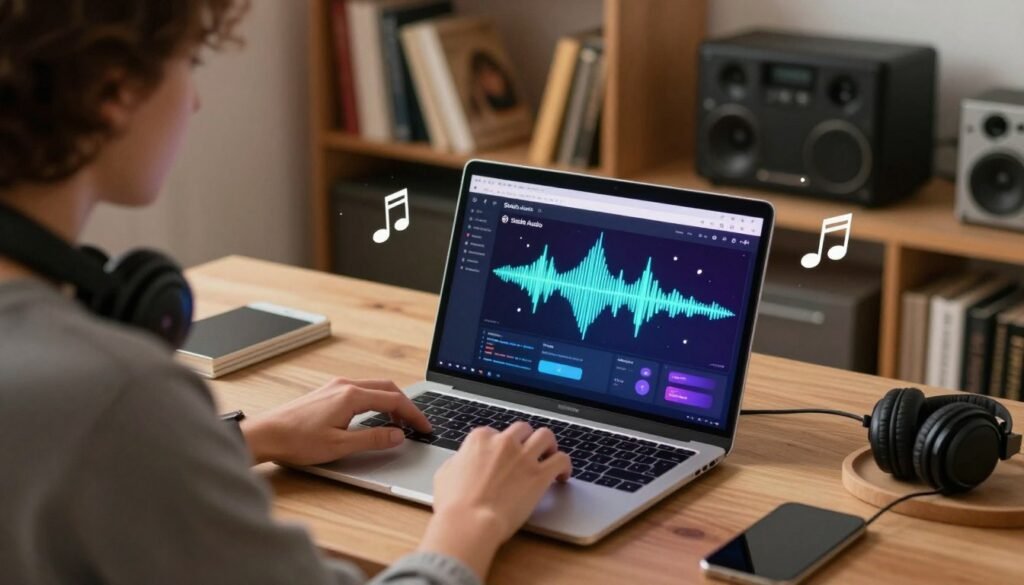
Prompt engineering helps unlock the full potential of your audio projects. With a stable audio ai generator, clear input guides the output. Refine your prompts to create professional-grade soundscapes more easily.
Use these practical strategies during your next session.
- Use focused prompts: Be specific about the genre, mood, and instruments you want to hear.
- Change one variable at a time: If you are unhappy with a result, adjust only one part of your prompt to see how it impacts the final audio.
- Compare multiple generations: Always generate a few variations of the same prompt to find the one that best fits your vision.
- Avoid unnecessary complexity: Keep your descriptions clear and concise to prevent the AI from becoming confused by conflicting instructions.
Consistency is key when you create projects. Keep a document of your most successful prompts for future use. This personal library helps you repeat styles or sound effects when needed.
Review the output quality before you finalize your project. If the audio feels cluttered, remove secondary descriptors to simplify its texture. This stable audio ai music generation tutorial approach keeps you in control while you use modern technology.
Treat the software as a collaborative tool, not a magic button. You will see a massive improvement in your results. Experiment with new combinations of words and settings.
With time, you will develop an intuitive sense of what works for your unique needs.
Is Stable Audio Worth Using?
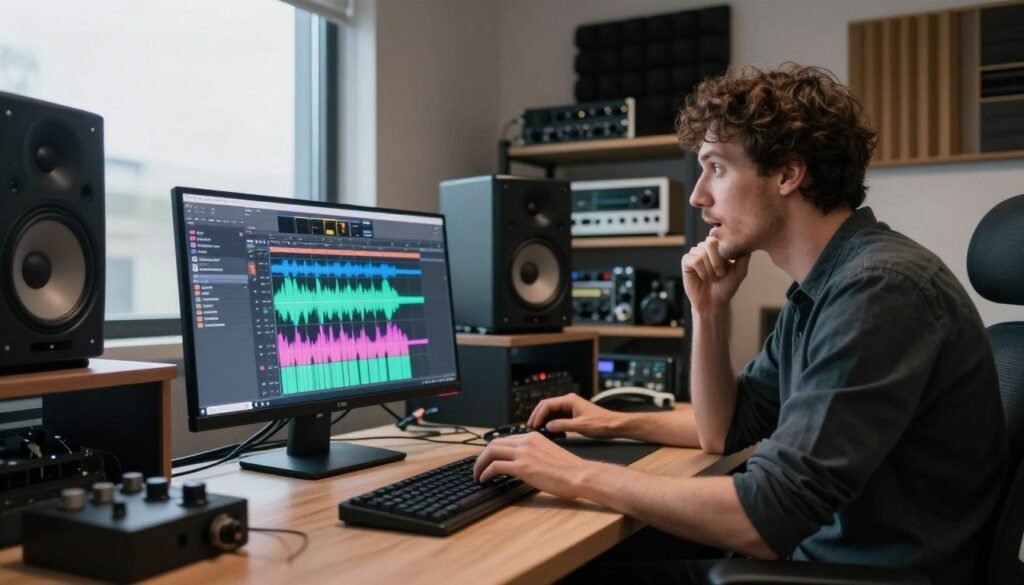
To decide if Stable Audio fits your workflow, examine its capabilities and compare its high-quality output with your goals. Many users ask, is stable audio free to use? The answer depends on project volume.
The platform offers a streamlined experience that makes music production easier to start. Its intuitive interface lets beginners and seasoned producers create complex soundscapes in seconds. This speed helps creators meet tight deadlines.
If you ask, “is stable audio free to use?” remember the free tier lets you test the technology. Professional projects often require expanded features from paid plans, so evaluate your usage rights and need for higher-quality exports.
This tool’s value comes from sparking inspiration and handling repetitive sound design tasks. If you need unique audio assets quickly, the investment is likely justified. Always review current terms of service because access conditions and plan benefits can change over time.
Stable Audio Alternatives
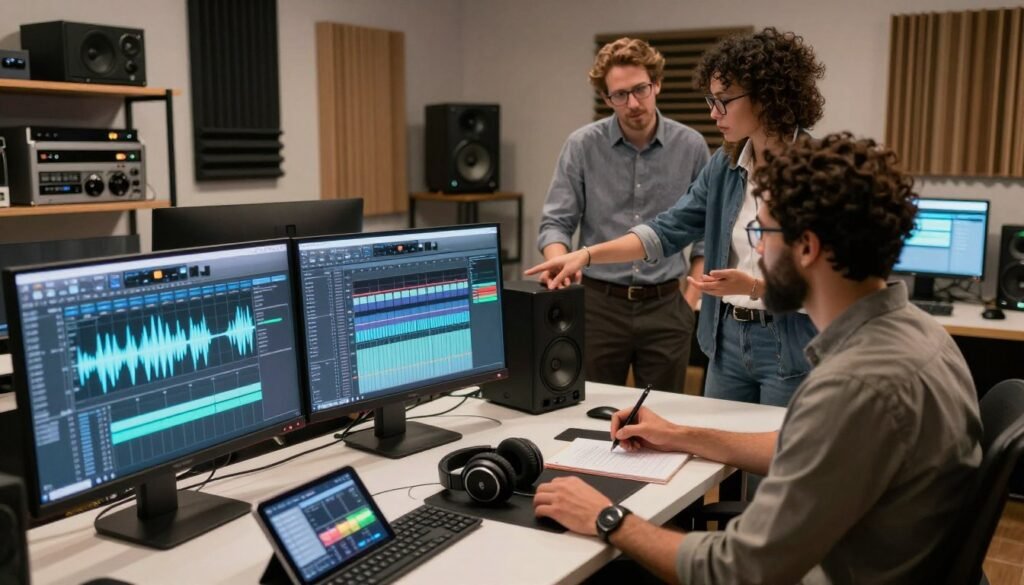
AI music tools offer several alternatives with features for different projects. Many users value their speed. The right stable audio alternative depends on your creative goals and technical needs.
For deep editing and instrument control, DAWs such as Ableton Live and Logic Pro remain industry standards. They offer unmatched precision for producers who layer tracks and mix audio manually. AI platforms work better for rapid prototypes and background music.
For a different stable audio alternative, Suno and Udio offer models that excel at vocals and complex song structures. These services may have different licensing terms, which can guide commercial content creators in the United States. Review each service’s terms to ensure its output meets your project’s legal needs.
Consider these categories when evaluating your options:
- Sample Libraries: Best for high-quality, human-recorded sounds that offer authentic textures.
- Text-to-Audio Tools: Ideal for quick sound effects and ambient background tracks.
- DAWs: Essential for full-scale music production and intricate sound design.
- Traditional Production: The most reliable choice for original compositions requiring human nuance.
Ultimately, the best stable audio alternative fits your existing workflow. Whether you value speed, licensing flexibility, or granular control, test multiple platforms to build a versatile creative toolkit.
Frequently Asked Questions About Stable Audio
Modern music technology can feel complex, especially when you start using a new stable audio app. These answers explain how the platform works and what you need for strong results. Use them to guide your creative work with confidence.
Is Stable Audio free?
Yes, the platform offers a free tier for exploring its core features. It lets you test the technology before choosing a subscription. Free plans may limit use, such as a set number of generations each month.
Can Stable Audio create music from text?
Absolutely. The tool can transform your text prompts into high-quality audio. Describe your preferred style, mood, and instruments, and the AI will create unique tracks for your needs.
How do I sign up for Stable Audio?
Signing up requires only a valid email address. Create an account on the official website to begin your creative process. After registration, you can use the dashboard to manage settings and view your generation history.
Can I download audio generated with Stable Audio?
Yes, you can perform a stable audio download after generating your track. Use the interface’s download button to save the file to your device. Check the official platform guidelines because usage rights and plan limits may change.
Final Verdict
Stable Audio AI changes how you create music and design sound. It lets creators turn text prompts into high-quality audio files through a simple process. Master the tool by signing up, refining prompts, and changing settings to match your creative vision.
Fast experimentation is this platform’s main strength. You can test sound effects and musical compositions in seconds. This speed helps you keep your creative flow during demanding projects.
Review your needs before choosing a subscription plan. Compare Stability AI’s features, pricing tiers, and download permissions with your project requirements. Check how the tool fits your current workflow and delivers the value you expect.
Test the free version to decide whether its output quality meets your standards. Your choice depends on how often you use it and how complex your audio needs are. Explore the possibilities today and see how this technology improves your creative work.