
Have you imagined turning creative thoughts into a professional song? With the latest technology, you can turn simple text prompts into high-quality melodies without years of production experience. This udio ai complete beginner guide helps you master the platform from scratch.
Whether you are a hobbyist or curious creator, this udio ai guide simplifies sound synthesis. You will learn to navigate the interface, write effective prompts, and refine your tracks. Our udio ai music generation tutorial for beginners covers account setup through final exports.
This comprehensive udio ai tutorial walks you through each essential step. You will learn to manage subscription plans, edit generated clips, and share unique compositions worldwide. By the end of this walkthrough, you can turn your musical ideas into reality with confidence and ease.
Key Takeaways
- Learn how to sign up and access the music generation dashboard.
- Master the art of writing effective text prompts for better results.
- Understand the core features for editing and refining your audio tracks.
- Explore different subscription plans to suit your creative needs.
- Discover how to export and share your finished songs seamlessly.
What Is Udio AI?
If you want to compose music without years of training, the udio ai music generator is a helpful partner. This platform turns simple written ideas into complete, professional-sounding tracks. It removes technical barriers that can block creative expression.
This tool interprets your prompts and builds melodies, harmonies, and rhythms. You do not need musical training to start experimenting with different styles. It can create a catchy pop hook or complex jazz arrangement while handling the hard work.
The udio music generator connects your imagination with finished audio. Its simple design lets you focus on your artistic vision, not complex production software. Type a description to generate unique songs that match your mood and atmosphere.
Ultimately, the ai music generator udio empowers beginners to explore musical potential in ways once impossible. It offers a sandbox for testing and refining ideas until your sound matches what you hear. This game-changing tool helps anyone bring musical concepts to life.
How Does Udio AI Work?

Udio AI turns simple words into professional-sounding tracks. It connects your ideas with high-quality audio production. Advanced machine learning reads your text instructions and creates unique musical compositions.
Understanding how does udio ai work helps you unlock your creative potential. A sophisticated model studies your input to choose the final genre, mood, and instruments. You can test complex musical ideas without years of formal training.
To learn how to use udio ai step by step, follow its simple workflow. First, enter a detailed prompt that describes your song vision. Then, choose creative directions or genres to guide the AI toward your preferred sound.
After you submit your request, the system generates audio for you to review and refine. This seamless workflow helps beginners learn the platform before starting their first full project. These stages turn a basic concept into polished music with ease.
The platform makes music creation approachable for everyone. Seasoned musicians and complete novices can both create impressive results. Learning how to use udio ai can help you begin your journey into AI-assisted composition.
How to Sign Up for Udio AI
Set up your personal account to unlock AI-generated music. The udio ai sign up process gives you access to the platform’s creative tools. Your profile keeps your musical projects saved and organized for future use.
Create Your Udio Account
Visit the official website and find the registration button. Provide basic information to create your profile. It is highly recommended that you use an email address you check often for account recovery and updates.
Choose a Sign-In Method
The platform offers several ways to manage your udio ai sign in experience. Many users link an existing social or professional account for faster access. You can usually choose Google or Discord to enter quickly and return to your workspace without technical trouble.
Verify Your Account
After submitting your details, check your inbox for a confirmation message. This security step protects your account when you click the email link to finish registration. Then, you will understand how to sign up for udio ai and be ready to start your creative journey.
How to Log In to Udio AI

Returning to your account lets you create your next hit. After registering, you can reopen your workspace anytime to manage tracks or start new projects. Knowing the udio ai login process helps you spend less time troubleshooting and more time making music.
“Creativity is intelligence having fun.”
Use the same sign-in method you chose during registration. You may have used a social media account or an email address, so stay consistent for smooth access.
Udio AI Login on Desktop
On a computer, open the official website in your preferred web browser. Find the sign-in button, usually near the homepage’s top-right corner.
After clicking it, enter your credentials. If you wonder how to login to udio ai, choose the provider linked during setup. After verification, the site sends you to your personal dashboard.
Udio AI Login on Mobile
On a mobile device, follow a similar process. Open your mobile browser and visit the main site to find the login portal.
The responsive interface makes the udio ai login process smooth on smaller screens. As on desktop, choose the correct sign-in method to avoid creating a duplicate account. Learning how to login to udio ai on your phone helps you capture inspiration whenever it strikes.
Udio AI Dashboard and Interface Explained
Navigating the Udio AI interface is easy, even for people new to AI music production. After you log in, a clean layout helps you focus on creative goals without distractions.
The Udio AI dashboard is your central command center. It organizes your workflow into clear areas, helping you move from inspiration to a finished track.
Create Music
This is the heart of your Udio AI workspace. Here, primary input fields let you enter prompts, choose musical styles, and define your song’s structure.
The interface gives real-time feedback as you type. This helps you refine ideas before you click the generate button. Its intuitive design lets you start making music after logging in.
Explore
If you need inspiration, the Explore tab is your best resource. It showcases tracks created by other users in the community.
You can hear many genres and styles to see what the platform can create. This is a great way to discover new techniques and learn how prompts shape a song’s final sound.
Library
Your Library is a personal archive for all your projects. Every song you generate is saved here automatically for future access.
You can organize, rename, or revisit past work there. This feature ensures your creative progress is never lost and stays available for future edits.
Settings and Account Options
Managing your profile is simple through the settings menu. Here, you can update account details, check your subscription status, and adjust preferences.
Whether you need to upgrade your plan or change notification settings, everything is in one convenient spot. Keeping account information current helps provide a seamless experience on the platform.
How to Create Music with Udio AI
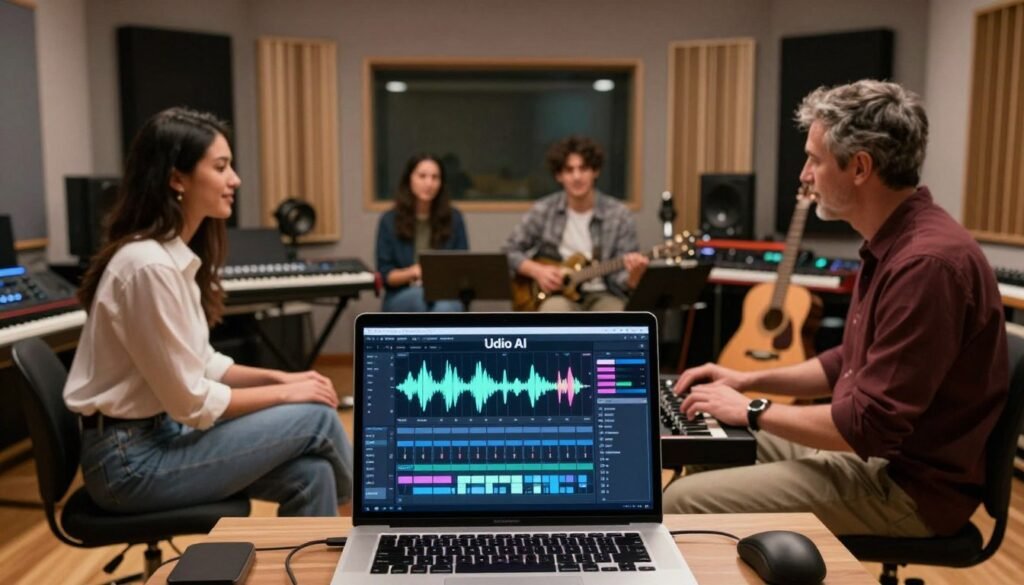
The power of the udio ai song generator lets you bring your musical vision to life at once. With advanced udio ai text to music technology, you can turn a simple written idea into a complete audio composition.
Enter Your Music Prompt
Start by describing the sound you want in the prompt box. Include details about the tempo, instruments, and track mood.
This input forms the foundation of your creation. A clear, detailed prompt helps the system understand your desired final output.
Choose a Music Style or Genre
Choose genres or styles to guide the AI after preparing your prompt. This step matters when learning how to create music with udio because it limits the sound choices.
You might choose jazz, electronic, or classical music. You can also add custom tags to create a unique sound profile.
Generate Your Song
After setting your choices, click the generate button to start. This is how to generate music using udio in seconds.
The system processes your request and starts building the audio file. The AI studies your text so the result matches your creative goal.
Review the Generated Results
When processing ends, your new track is ready to play. This is the most exciting part of learning how to create a song with udio ai, as your idea becomes sound.
Use these steps to get the best results:
- Listen to the track in its entirety to check for flow.
- Evaluate if the mood matches your original prompt.
- Check the vocal clarity if your song includes lyrics.
- Decide if you want to keep the version or try a new variation.
If you dislike the first attempt, do not worry. Refine your prompt and try again to master how to use udio music generator effectively.
How to Write Effective Udio AI Prompts

Writing a strong prompt is like giving detailed instructions to a skilled session musician. When you learn how to write prompts for Udio AI, you can guide the creative process toward your vision. Clear words connect your ideas with the final audio.
Describe the Genre and Style
Every great track begins with a clear musical framework. State the genre, such as lo-fi hip hop, synthwave, or acoustic folk. A specific style helps the AI choose from its broad library of learned musical patterns.
Do not fear combining genres to create something unique. For example, requesting a “fusion of jazz and heavy metal” tells the system to blend contrasting elements cohesively.
Add Mood and Atmosphere
Music carries emotion, so your prompts should show it. Use descriptive adjectives to define the vibe of the song, such as “melancholic,” “energetic,” “ethereal,” or “tense.”
“Music is the shorthand of emotion.” — Leo Tolstoy
Words describing the atmosphere can shape chord progressions and production quality. A “dark, cinematic, and suspenseful” prompt sounds very different from a “bright, uplifting, and sunny” prompt.
Describe Vocals and Instruments
For strong results from udio ai prompts, specify the sounds you want to hear. Name vocal types, such as “soulful female lead,” “raspy male baritone,” or “choir harmonies.”
Also, list the instruments that should lead the melody. You can request setups like:
- Acoustic guitar with soft reverb
- Distorted electric bass and punchy drums
- Synthesized pads with a rhythmic arpeggiator
- Grand piano with orchestral strings
Udio AI Prompt Examples
Knowing the difference between vague and detailed requests is key to success. A vague prompt might say “make a rock song,” leaving too much to chance.
Instead, use a structured approach to improve the result:
- Vague: “Create a sad pop song.”
- Specific: “A melancholic pop ballad featuring a slow piano melody, soft ambient synth pads, and a breathy female vocal performance with high emotional intensity.”
Following these steps can greatly improve your ability to generate high-quality music. Experimenting with different combinations of genre, mood, and instrumentation is the best way to master the platform.
Key Features of Udio AI

Explore this AI platform to unlock your creative potential. Its tools help turn musical ideas into polished, professional audio files.
The udio ai features offer tools that can simplify music production. Beginners and experienced producers can use them to improve their work.
AI Music Generation
The platform turns text prompts into high-fidelity audio. It reads your descriptions and builds arrangements with rhythm, melody, and harmony.
“The future of music production lies in the seamless collaboration between human creativity and machine intelligence.”
Song and Lyric Creation
The platform also helps write lyrics that fit your chosen theme. Enter your own verses, or ask the AI for content based on a topic or mood.
These udio ai features and how to use them keep lyrics and music in sync. You can refine the text to match your style or message.
Music Styles and Genres
You can customize tracks from scratch with many genres. Options range from classical and jazz to modern electronic music and hip-hop.
- Genre Selection: Choose from hundreds of pre-defined styles.
- Mood Customization: Adjust the atmosphere to be dark, upbeat, or melancholic.
- Instrumental Control: Specify which instruments should lead the composition.
Extend and Continue Songs
You can build on your first creations. If you like a song segment, add sections such as a bridge or final chorus.
This workflow can grow a short clip into a full-length masterpiece. Mastering these udio ai features and how to use them gives you control over your musical projects’ structure and length.
How to Edit and Improve an AI-Generated Song

Refinement matters when you learn how to make songs with Udio. Treat your first generation as a starting point, not a finished song. Use the platform’s built-in tools to polish each track until it fits your creative vision.
Extend a Song
If your track feels short or ends suddenly, use the extension feature. It adds sections, such as a bridge, guitar solo, or outro, to existing audio. Select the clip you want to build on, then choose the extension option to keep the music moving.
Remix a Song
Your song’s structure may work, but its vibe or genre may feel wrong. Remix lets you apply new style settings to an existing generation. Experiment with new arrangements without losing the melody or lyrics you love.
Improve Your Prompt
When the output misses your goal, your instructions may need more detail. You can improve your prompt with descriptive adjectives about tempo, instrumentation, or vocal style. Learning how to create ai songs with udio takes repeated testing and changes to your text.
Try different keywords and note how they change the final sound. Small prompt changes can greatly improve your music’s quality and consistency. With practice, you will find the balance needed to create the exact sound you want.
How to Download or Export Music from Udio
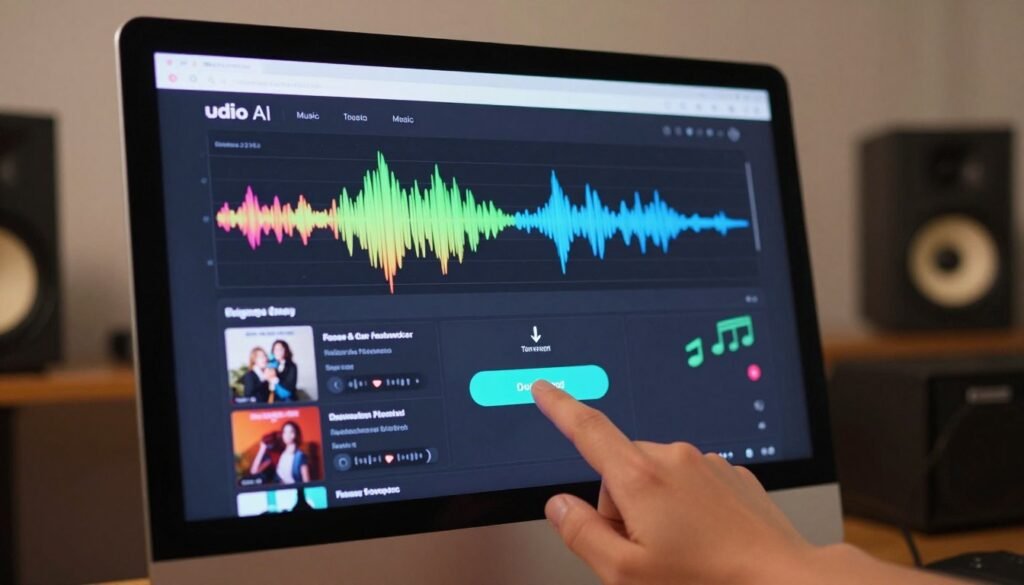
After you perfect your track, move it out of the platform. You can easily download music from udio by opening your personal library, which stores all generated content.
Before finalizing your file, review your work. Confirm you selected the correct version, remix, or extended arrangement before you export music from udio. This captures the specific song version you want to keep.
When ready to save Udio AI songs to your local device, follow these simple steps for a smooth transfer:
- Locate the specific track within your library dashboard.
- Click on the download icon associated with your chosen audio file.
- Select your preferred file format if prompted by the system.
- Wait for the browser to complete the transfer to your local storage.
The export stage turns your generated idea into a usable audio file outside the workspace. These steps complete the move from creative generation to keeping your final musical result for personal use or sharing.
Udio AI Free vs Paid Plans
Choosing between the udio ai free and paid plans depends on your creative goals. Because udio ai pricing can change, check the official website before making a long-term commitment.
What You Can Do With the Free Plan
The udio ai free plan is made for experimentation and casual use. It lets you test the platform’s capabilities without paying upfront.
You will typically receive monthly credits that reset periodically. This works well for exploring genres and practicing prompts that show how the engine interprets your ideas.
What You Get With Paid Plans
If you need steadier output, upgrading to a paid subscription is often the next logical step. These plans generally offer higher generation limits for power users and people managing multiple projects at once.
Paid tiers often include faster generation and priority access during peak times. They may also offer more flexible commercial usage rights for professional music distribution.
Review current udio ai pricing and terms in the provider’s dashboard to ensure the features meet your needs. Whether you are a hobbyist or professional, the right tier gives you tools to bring your musical vision to life.
Is Udio AI Free to Use?

You may wonder whether is udio ai free to use for your music projects. New users can start creating without an immediate financial commitment.
The Udio AI free version lets you explore the software’s capabilities. However, this access has limits on generations and available features.
You can experiment with the tool, but review current Udio AI costs and plan conditions. These terms may change. The free tier may not support professional or high-volume projects over time.
Before choosing a workflow, check your account requirements and current plan’s specific limits. This helps you understand what you can do without unexpected paywalls or usage caps.
Pros and Cons of Udio AI

When you read a comprehensive udio ai review, you see this platform takes a unique approach to music production. Success requires balancing fast creativity with current technology. Whether you are a hobbyist or producer, knowing these trade-offs helps you manage expectations.
Pros
A primary Udio AI advantages is the speed of creative experimentation. You can create complex musical ideas in seconds, making it useful for writer’s block or new genre combinations. It also lets you easily revise melodies and lyrics.
Audio output is often remarkably professional, making this tool useful for quick ideas. You can explore a vast library of styles that might take hours to program by hand. This efficiency lets you focus on your artistic vision instead of technical hurdles.
Cons
Despite these benefits, notable Udio AI disadvantages deserve attention before you choose a workflow. The main issue is inconsistent output, with brilliant tracks followed by disjointed ones. You may need to refine prompts several times to get your desired sound.
Also, the platform has plan restrictions that limit the number of songs you can generate each month. If you want total control over every note, current AI limits may frustrate you. Your choice depends on valuing quick inspiration or detailed control in traditional digital audio workstations.
Udio AI Tips for Beginners
If you are new to Udio, these practical tips can help you create professional-sounding results. Many new users feel overwhelmed, but Udio AI best practices can simplify your workflow.
Start with simple, direct prompts. Describe the main genre, mood, and instruments instead of writing a complex paragraph. This helps you learn how the engine reads your words before trying complex arrangements.
When you want to refine your sound, use these Udio AI tips to control your creative process:
- Test one change at a time: If you modify your prompt, change only one element, such as the tempo or a specific instrument, to see how it impacts the final output.
- Save your favorites: Always keep track of your most promising generations in your library so you can revisit them for future inspiration.
- Compare variations: Generate multiple versions of the same prompt to identify which nuances work best for your vision.
Finally, explore the interface before using advanced features. Knowing where your tools are located is essential for a smooth experience. This beginner Udio AI advice can help you create high-quality tracks with fewer unnecessary attempts.
Udio AI vs Other AI Music Generators
AI music creation includes several powerful platforms competing for your attention. A thorough Udio AI comparison helps you find features that match your creative workflow. Each tool focuses on different parts of music production.
When you compare other AI music generators, consider how each handles your needs. Some excel at complex lyric generation, while others create high-fidelity instrumental output. Your choice may change between a simple backing track and a full vocal composition.
To choose wisely, compare these key performance areas across different services:
- Prompt Control: How well does the tool interpret your specific stylistic instructions?
- Vocal Quality: Does the AI produce natural-sounding, expressive human vocals?
- Editing Tools: Can you easily extend, remix, or modify segments after the initial generation?
- Export Options: Are the file formats and quality settings suitable for your professional needs?
- Genre Variety: Does the platform support niche styles or only mainstream musical genres?
No single best AI music generator works for every user. The right choice depends on your goals and the control you want over the final sound. Some creators want deep customization, while others value speed and ease of use.
Test the same prompt across multiple platforms to compare their results. Side-by-side results can show which interface feels most intuitive for your creative process. Experimentation is the most effective way to find the tool that fits your artistic vision.
Frequently Asked Questions About Udio AI
This Udio AI FAQ answers common questions for new users. It helps you explore the platform with confidence.
What is Udio AI used for?
You can turn written ideas into complete musical compositions with this tool. Explore many genres, then improve your results through a guided workflow. Many creators use it to turn simple concepts into polished songs.
Is Udio AI free?
The platform has a free tier for testing the technology and creating a limited number of tracks. You can choose paid plans when you need more credits or advanced features. Review the pricing page to find the best option for your needs.
Can beginners use Udio AI?
The interface is easy for people new to music production. These Udio AI beginner questions show that technical skills are not required. By using Udio AI, you can turn ideas into music through simple prompts.
Mastering this software takes practice and experimenting. Review earlier parts of this guide for detailed steps on writing prompts, managing your account, and exporting final tracks. Your path to unique music starts with your first prompt.